Bucket Elevator About
A
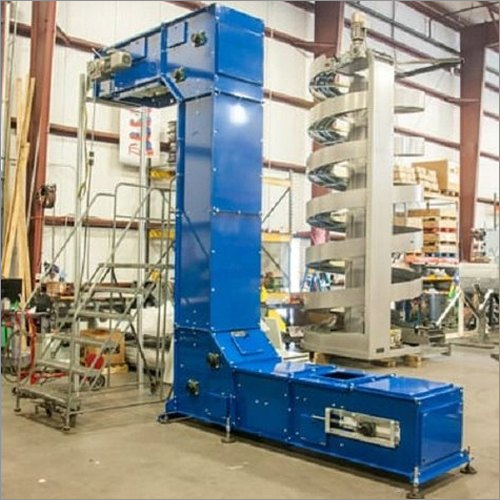
Bucket Elevator is designed for the high-capacity, vertical transportation of bulk materials, flowable solids, or aggregates. It utilizes a series of buckets attached to a continuously moving belt or chain loop to scoop, lift, and discharge material vertically at angles up to 90.
Short Engineering Specification
| Parameter |
Specification / Material Options |
| Elevator Type |
Centrifugal Discharge (High speed) or Continuous Discharge (Low speed / fragile materials) |
| Casing Construction |
Dust-tight, weatherproof enclosed structure. Heavy-gauge Mild Steel (painted/galvanized) or Stainless Steel (304/316) |
| Lifting Medium |
High-tensile, multi-ply Rubber Belt OR Single/Double Strand Alloy Steel Chain |
| Bucket Material |
Heavy-duty HDPE, Nylon, Polyurethane (for reduced wear/sticking), or Fabricated/Cast Steel |
| Discharge Style |
Centrifugal (thrown via gravity and velocity) or Continuous (poured down the back of the preceding bucket) |
| Head Section |
Equipped with split hood for maintenance access, inspection doors, wear-resistant lining at discharge chute, and backstop/anti-runback device |
| Boot Section |
Includes a heavy-duty take-up assembly (screw or gravity type) for tensioning, clean-out doors, and feed hopper |
| Drive Arrangement |
Shaft-mounted gear motor or V-belt/chain drive complete with structural motor mount platform |
| Safety Features |
Zero-speed switch, belt misalignment/tracking sensors, and explosion venting panels (for hazardous/combustible dusts) |
Key Design Tip: Choosing between a belt or chain center comes down to material traits. Belts excel with high-speed, abrasive materials like grain or sand because they run quieter and handle wear well. Chains are preferred for ultra-heavy duty, high-capacity tracking, extremely high temperatures, or large, chunky materials that could tear a belt.
Versatile Material Handling SolutionDesigned for the easy transfer of bulk materials, this bucket elevator serves a wide range of industries, including food processing, agriculture, chemicals, and mining. With the capability to operate in both indoor and outdoor environments and under diverse working temperatures, it is a highly adaptive solution. Its customizable features, including bucket material, discharge height, and conveyor type, support operational flexibility for different material types and production requirements.
User-Friendly and Efficient OperationThe elevator's feeding system supports both automatic and manual hoppers for seamless integration into your existing process line. With adjustable speeds (from 1.0 to 2.5 m/s), a range of discharge heights up to 30 meters, and PLC-based controls, users can optimize performance to meet varying production demands. Maintenance is simplified by easy-access panels and safety mechanisms such as overload protection and emergency stops.
FAQ's of Bucket Elevator:
Q: How does the Z Type Bucket Elevator efficiently handle different materials?
A: With bucket options in plastic, mild steel, or stainless steel and variable volumes (2-10 liters), the elevator adapts to a variety of material types, including food products, grains, chemicals, and minerals. Adjustable speed and customizable discharge heights ensure optimal material flow and minimal spillage for bulk transfer applications.
Q: What feeding methods are available for integrating this elevator into my production line?
A: You can choose between automatic and manual feeding hoppers, allowing seamless integration with upstream equipment or manual material loading. This flexibility makes it suitable for both continuous operations and batch processes in diverse settings.
Q: Where can this bucket elevator be installed, and is it suitable for outdoor use?
A: The unit is designed for both indoor and outdoor installations. Its robust construction, weather-resistant powder-coated or polished steel finish, and minimal pit depth requirement accommodate various site layouts and environmental conditions.
Q: When is maintenance required, and how accessible are the components?
A: Maintenance intervals depend on usage, but easy-access panels are included for swift inspection and servicing of internal parts. The system's overload protection and emergency stop features add supplementary safety for routine or unexpected maintenance needs.
Q: What are the benefits of using a PLC-controlled or automatic elevator system?
A: PLC-based or automatic control enables precise operation, allows for real-time adjustments, and helps manage variable production rates efficiently. Automated safety features such as overload protection and emergency stops further enhance operational reliability and minimize downtime.
Q: How does the elevator ensure safe and reliable operation?
A: With integrated safety devices like overload protection and emergency stop mechanisms, noise levels below 70 dB, and secure enclosure finishes, the system prioritizes safety and reliability for all users across industries.


 Send Inquiry


 Send Inquiry
 Send Inquiry
 Send SMS
